-
Bird Fact
1 minuteNo comments on Bird FactContour feathers cover the body of the bird. These feathers help air to pass over the bird in a streamlined shape, making the bird more aerodynamic. The tips of contour feathers have smooth barbs at the tips, which are more waterproof than the softer barbs towards the body. The Source: Page #11Ornithology #20 Feathers: The…
-
Bird Fact
1 minutea vane), made of three bones. These are the humerus, the ulna and the radius. The humerus meets the rest of the body at the shoulder. The Source: Page #5 Ornithology #11 Flight
-
Bird Fact – The Purpose Of Feather’s
The Purpose of Feathers Warmth While mammals have a layer of fat on their bodies to keep them warm, birds cannot afford the extra weight this would bring. Instead, feathers trap warm air close to the body and insulate the bird this way, while being light and aiding in flight. The Source: Page: #4 Ornithology…
-
Bird Fact
1 minuteMound nests also help protect chicks and eggs from predation. The Males usually build the nests and the females will wait until the nest has begun to warm before laying. The Source: Page #7 Ornithology #18 Life Cycle: Nests
-
Flight
1 minuteFlight Of course, feathers are also used for flying! Different feathers do different jobs when it comes to flight. Some provide lift or direction, while others smooth the airflow over the bird. The Source: Page #10 Ornithology #19 Feathers: Feathered Friends
-
Bird Fact
1 minuteFeathered Friends Every feathered animal alive today is a bird. ALL birds have feathers, although the dinosaurs did too. The Sorrce: Page #2 Ornithology #19 Feathers: Feathered Friends
-
Bird Fact
1 minutePatterns may also help birds recognise their own eggs. Where birds nest in large colonies, a distinctive pattern may help them find their own eggs. Some eggs even change color during incubation, such as those of the great crested grebe, whose eggs start off blue and then become brown with exposure to the nest. The…
-
Bird Fact ALL About The Cup Nest’s
Cup nests are as they sound—little cups built to hold the eggs. These nests are built by the birds themselves, usually from a mixture of grass, mud, twigs, spider web and the bird’s own saliva. Barn swallows in a cup nest attached to the side of a house. The Source: Page #4 and #5Ornithology #18…
-
Bird Fact
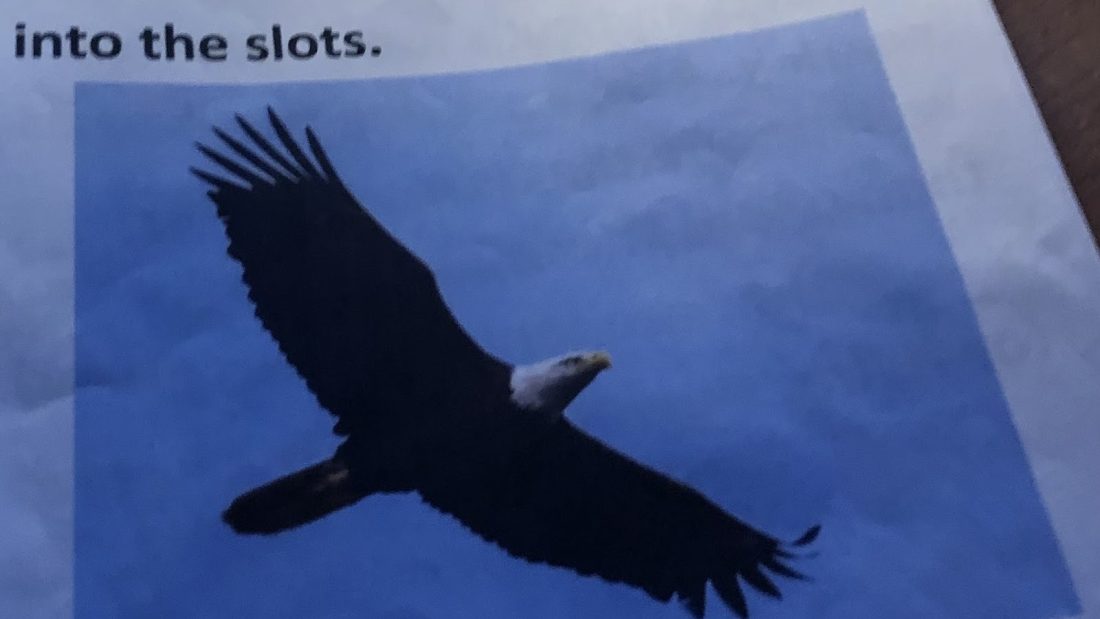
1 minutePassive Soaring The primary feathers on passive soaring birds have long primaries and shorter wings. These feathers spread out wide, creating a “slot” between the feathers. This allows the bird to catch thermals and soar on the rising hot air. This reduces the need to flap and use energy. Hawks, vultures, pelicans, storks and eagles…
-
Flightless Bird’s
1 minuteFlightless Birds There are over 60 species of the flightless bird’s alive at the start of the 21st century. These bird’s have a small or missing keel, replaced by a flat breastbone more like a person’s. Ratites are a type of bird that has a completely flat sternum and no keel shaping at ALL. This…